
Cryptocurrency has been one of the most mind-bending inventions since pizza met Bitcoin. 🍕💰 But while crypto seems digital and futuristic, the laws around it are often confusing and sometimes outdated—like trying to use a flip phone in a smartphone world. In this article, we’ll talk about a fun-sounding question and an important one: “Is SEC Coin legal?” (and by extension, how do the laws treat crypto in Australia (AU), the United States of America (USA), and the United Kingdom (UK))?
Before we go further: “SEC Coin” isn’t a specific coin like Bitcoin or Ethereum. The question is more about whether a coin would be legal under the U.S. Securities and Exchange Commission (SEC) law—after all, if the SEC (yes, that SEC) thinks a token is a security, things get very legal real fast. 🕴️⚖️
We’ll compare how three major legal systems treat crypto, giving you a plain and simple explanation without drowning you in legalese. 👇
Table of Contents
- What Is Crypto, and Why Does the Law Care?
- So … Is “SEC Coin” Legal in the USA?
- How Does Australia Treat Crypto?
- Crypto in the United Kingdom (UK): Not Banned, Just Regulated
- Quick Comparison Chart: AU vs USA vs UK
- Fun Things That Might Happen (Or Might Not 😅)
- Final Thoughts: Is Crypto Legal? The Short Answer
What Is Crypto, and Why Does the Law Care?
At its heart, cryptocurrency is digital money that isn’t owned or issued by a central bank, like the U.S. Federal Reserve or the Reserve Bank of Australia. That’s kind of the point—crypto is decentralized. But that also makes regulators nervous because they can’t control it the way they control traditional money. 👀
In most countries, crypto isn’t illegal, but governments want to know:
- Who is selling it?
- What rights do buyers have?
- Does it behave like a currency, a commodity, or a security?
If a crypto token behaves like something regulated by the Securities and Exchange Commission (SEC) in the U.S., it might be treated like a security—which is a big deal legally. Think of it like the difference between selling a baseball card (simple) and selling shares in a company (very regulated).
In most countries today, crypto is legal in principle, but the rules about how you use it, trade it, and issue it are under active development.
So … Is “SEC Coin” Legal in the USA? 🇺🇸
Let’s break this down like a taco 🌮—layer by layer.
1. Crypto is Generally Legal in the USA
Just owning Bitcoin, Ethereum, or most other coins is not illegal in the United States. The U.S. Internal Revenue Service (IRS) treats crypto as property for tax purposes, so when you sell or spend it, you may have taxable gains or losses.
But that doesn’t mean “SEC Coin” is automatically legal. It depends on what the coin actually is.
2. The Securities vs Commodity Puzzle
The big issue in the U.S. is: does a given crypto token qualify as a security? If it does, the SEC gets involved heavily, and certain legal requirements kick in. If not, then other regulators like the Commodity Futures Trading Commission (CFTC) might oversee it more like a commodity (similar to oil or gold).
In March 2026, the SEC and CFTC issued guidance that splits crypto tokens into categories like:
- Digital commodities (e.g., Bitcoin, Ethereum)
- Digital collectibles (like NFTs)
- Stablecoins
- Digital securities
- Digital tools
Only the “digital securities” category is strictly under SEC securities law. The rest may fall into lighter regulations under the CFTC or other regimes.
So, if your “SEC Coin” were really something like a stock-like investment contract, it might be considered a security and need registration with the SEC. Otherwise, it may not be. 🧐
3. The Famous Howey Test
In the U.S., regulators use a legal test from a 1946 Supreme Court case called the Howey Test to decide if something is a security. A token is likely a security if:
- You invest money
- It’s part of a common enterprise
- You expect profits
- Mostly from the efforts of others
If all those boxes are checked, the SEC says, “Yep, that’s a security.” 🧾
So the answer to “Is SEC Coin legal?” is: it’s only legal without extra rules if it’s NOT classed as a security.
If it is classed as a security, then it’s still legal—but it has to follow a whole lot of rules: registrations, disclosures, and investor protections. 🏛️
4. What About Exchanges and Platforms?
Platforms that let you trade crypto tokens that are securities must register with the SEC or be approved. Non-registered trading can be illegal.
That’s why major exchanges sometimes get that weird legal spotlight—SEC vs Coinbase, anyone? 😅
How Does Australia Treat Crypto? 🇦🇺
Australia is like that friendly neighbor who doesn’t shout at you but still calls the police if your party gets too loud. 🎉🚓
Here’s how things stand:
1. Crypto Is Legal to Own and Use
Basic ownership of crypto (like Bitcoin, Ethereum, etc.) is legal in Australia. You can hold it, send it, or use it if someone accepts it for goods or services.
You just need to pay taxes when you sell it or trade it for profit.
2. Crypto Is Treated as Property
Australia treats crypto as a form of property, not “official money.” That means if it gets stolen, you still might have legal rights to get it back.
So if your “SEC Coin” were sitting in your wallet in Australia, you own it—but you’ve probably got tax obligations.
3. Exchanges Are Regulated
Exchanges and platforms that let people buy or sell crypto must:
- Register with AUSTRAC (Australia’s anti-money-laundering watchdog)
- Follow things like identity verification, reporting rules, and anti-money-laundering laws
This tells you that the law cares more about how the asset is sold and traded, rather than banning crypto outright.
4. Is Your “SEC Coin” Legal Here?
Yes. If your token was just another crypto that doesn’t pretend to be shares or a financial product, it’s legal to own and trade on registered platforms.
But if it’s like a financial investment product, it might fall under deeper rules involving financial licenses and investor protections.
In general, Australia’s laws try to be clearer than the USA’s — but they’re still catching up to crypto.
Crypto in the United Kingdom (UK): More Like “Crypto Is Allowed, But Don’t Break the Rules” 🇬🇧
The UK approach is often described as “pragmatic and evolving”. It’s not some wildfire like early crypto chaos, but neither is it the strict ban-everything model some countries use.
1. Crypto is Legal
Just owning crypto isn’t illegal in the UK. People can buy, sell, and hold crypto—just like Australia.
Crypto isn’t recognized as legal currency (like the British pound), but the law does recognize it as personal property under a new act called the Property (Digital Assets etc) Act 2025. That means:
✔️ You own it
✔️ You can inherit it
✔️ You can reclaim it if stolen
✔️ It can be handled in court and estate law
So if your crypto ever gets nicked by a villain in a cape 🦹, the law now takes it seriously.
2. Regulating the Market
The UK is expanding regulations so that platforms, exchanges, stablecoin issuers, custodians, and even staking services will be caught by financial laws—especially after October 2027.
That means:
- Crypto trading platforms will need authorization
- Firms offering crypto services must follow conduct and market rules
- Anti-money-laundering and consumer protections apply
It’s not a ban, but it’s more serious than “crypto allowed but totally unregulated.”
3. Is “SEC Coin” Legal in the UK?
Yes. For a regular person in the UK, there’s no criminal prohibition on owning a standard crypto token (even your imaginary “SEC Coin”).
But if a company issues or trades it, they might need approval from the Financial Conduct Authority (FCA) and must follow rules just like banks and traditional financial firms in many ways.
Quick Comparison: AU vs USA vs UK
| Aspect | Australia (AU) | USA | United Kingdom (UK) |
|---|---|---|---|
| Basic crypto ownership | Legal (property) | Legal but taxed as property | Legal, recognized as personal property |
| Exchanges & platforms | Must register with AUSTRAC | Securities if security tokens; mixed rules | Will need FCA approval by 2027 |
| SEC involvement | Not involved | Central for securities classification | Not applicable (FCA instead) |
| Recognized as property | Yes | Yes (tax treatment) | Yes (explicit law) |
| Special crypto legal framework | Mainly AML & financial laws | Complex SEC/CFTC split | New broader regime coming by 2027 |
Funny Things That Might Happen In Crypto Law 😂
Let’s lighten the mood with a few light-hearted predictions:
1. Lawyers Might Laugh at Lawyers
Regulators sometimes use laws from decades ago (e.g. the Howey Test from 1946) to regulate something that didn’t exist until 2009. That’s like using a rotary phone to run Starlink. 📞🚀
2. Crypto Could Be Legal—but Taxed Heavily
Just because owning crypto is legal doesn’t mean you get to keep all the gains. Taxes everywhere treat crypto as property or income. That means Uncle Sam, Australia Tax Office, or the UK HMRC might take a bite. 🧾💸
3. Enforcement Actions Get Strangely Specific
Sometimes exchanges get fined not because crypto is illegal—but because compliance rules weren’t followed properly (see news on Binance Australia fines).
So your coin might be legal… but someone might still get fined for paperwork. Welcome to finance law. 🙃
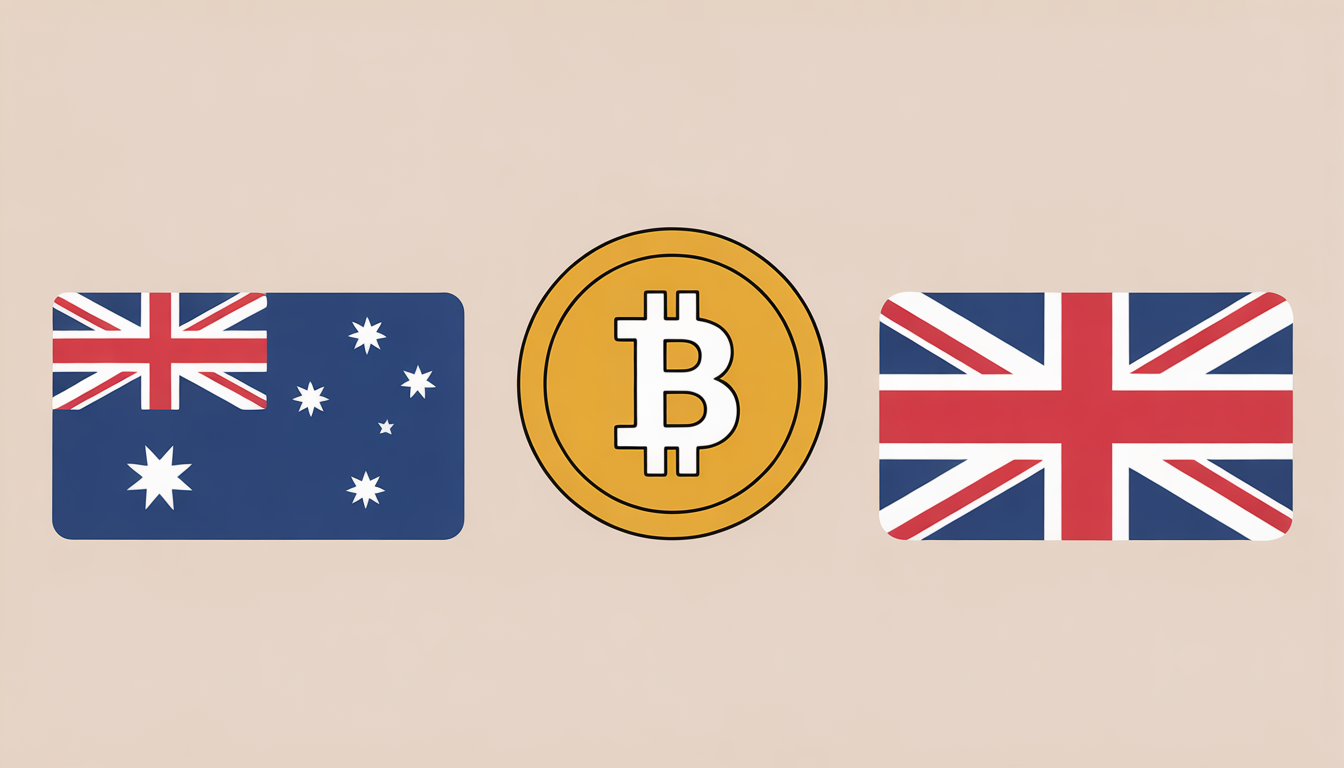
Final Thoughts: “Is Crypto Legal?” — The Short Answer
After all that:
👉 Yes, cryptocurrency in general is legal in Australia, the USA, and the UK.
👉 But whether it’s regulated and how strictly varies widely.
👉 A token like “SEC Coin” might be legal to hold, but if it’s treated as a security in the USA, it must follow securities laws.
👉 In the UK, crypto is legal and now officially property, but firms must follow upcoming rules.
👉 Australia keeps things fairly open but regulated through AML rules.